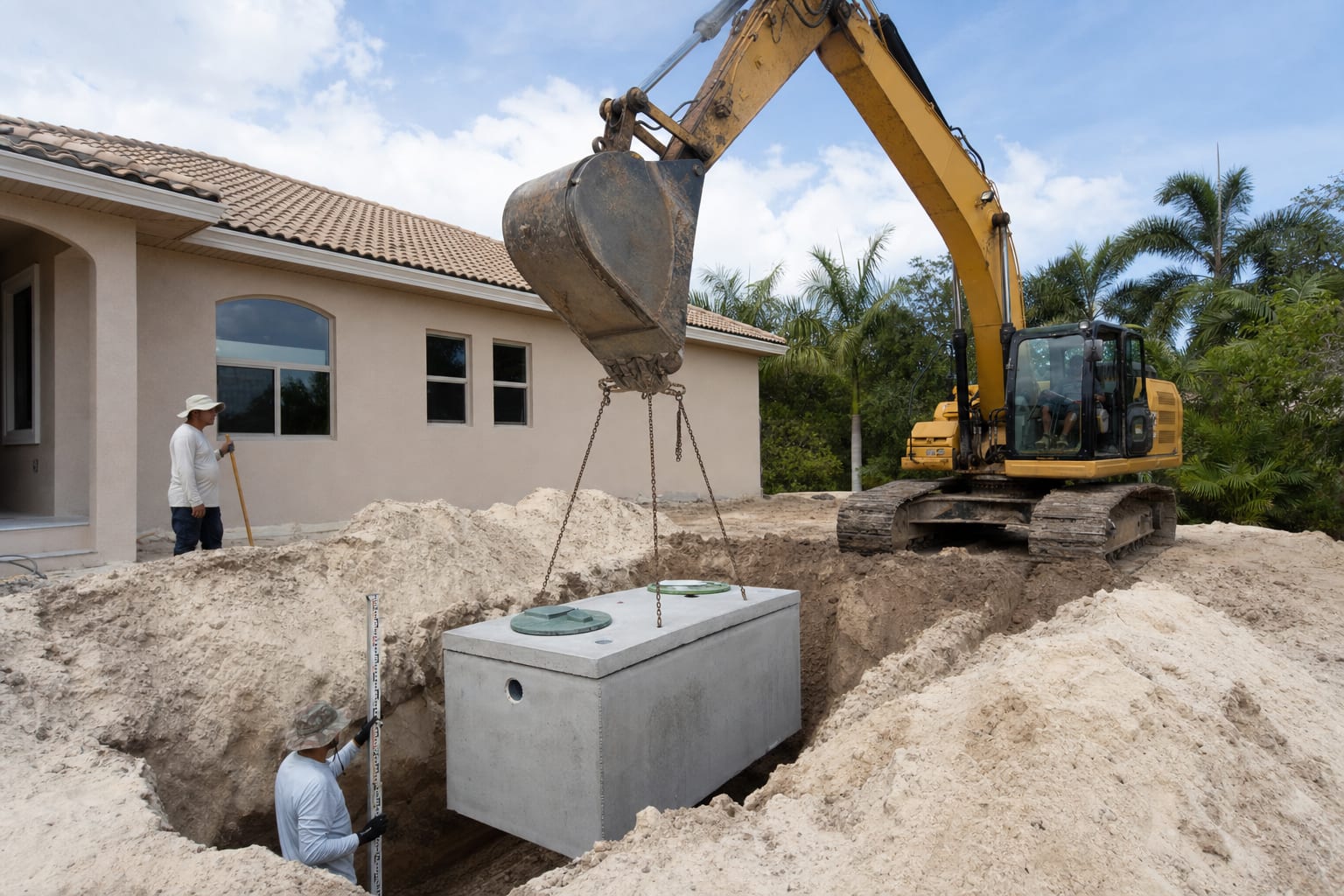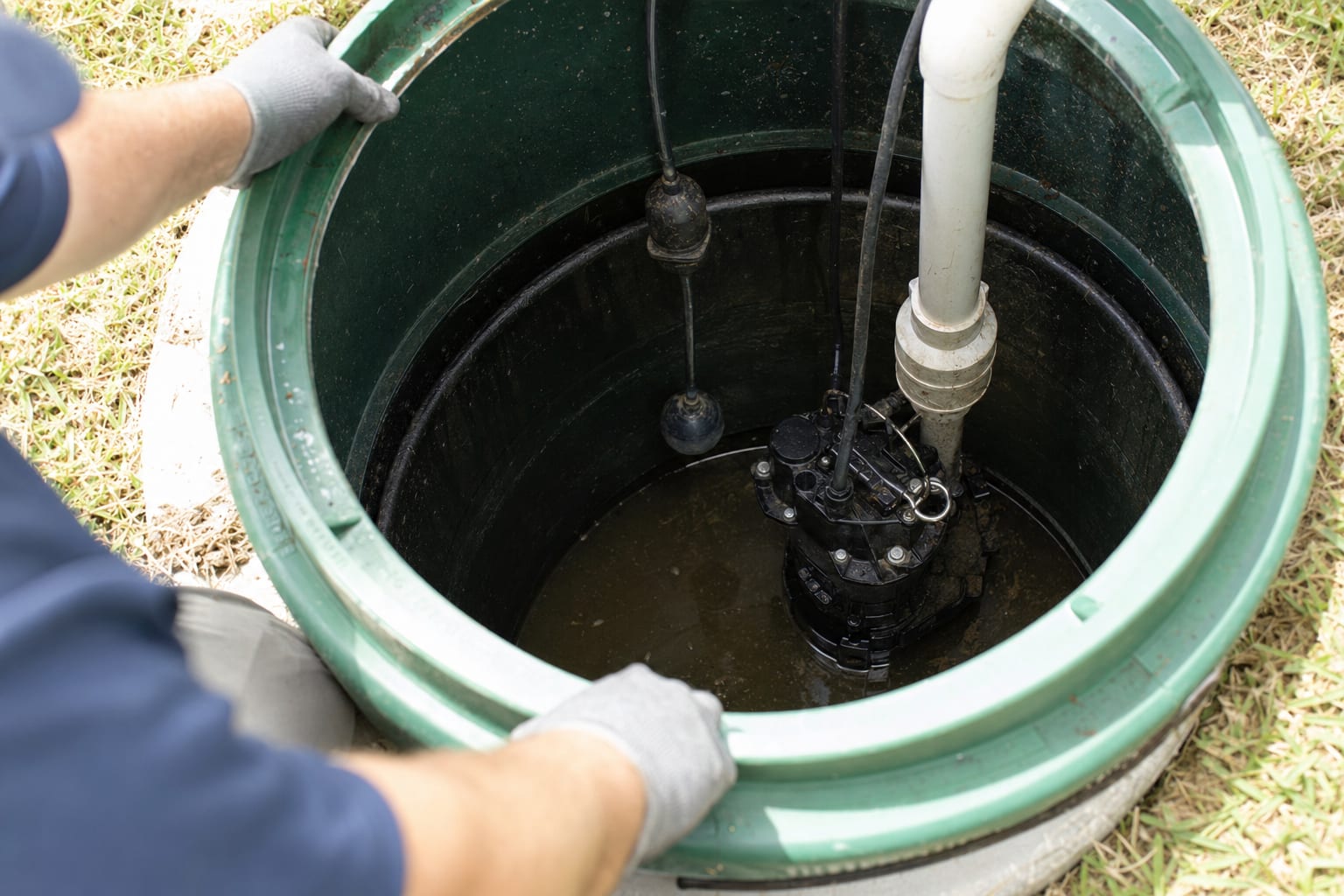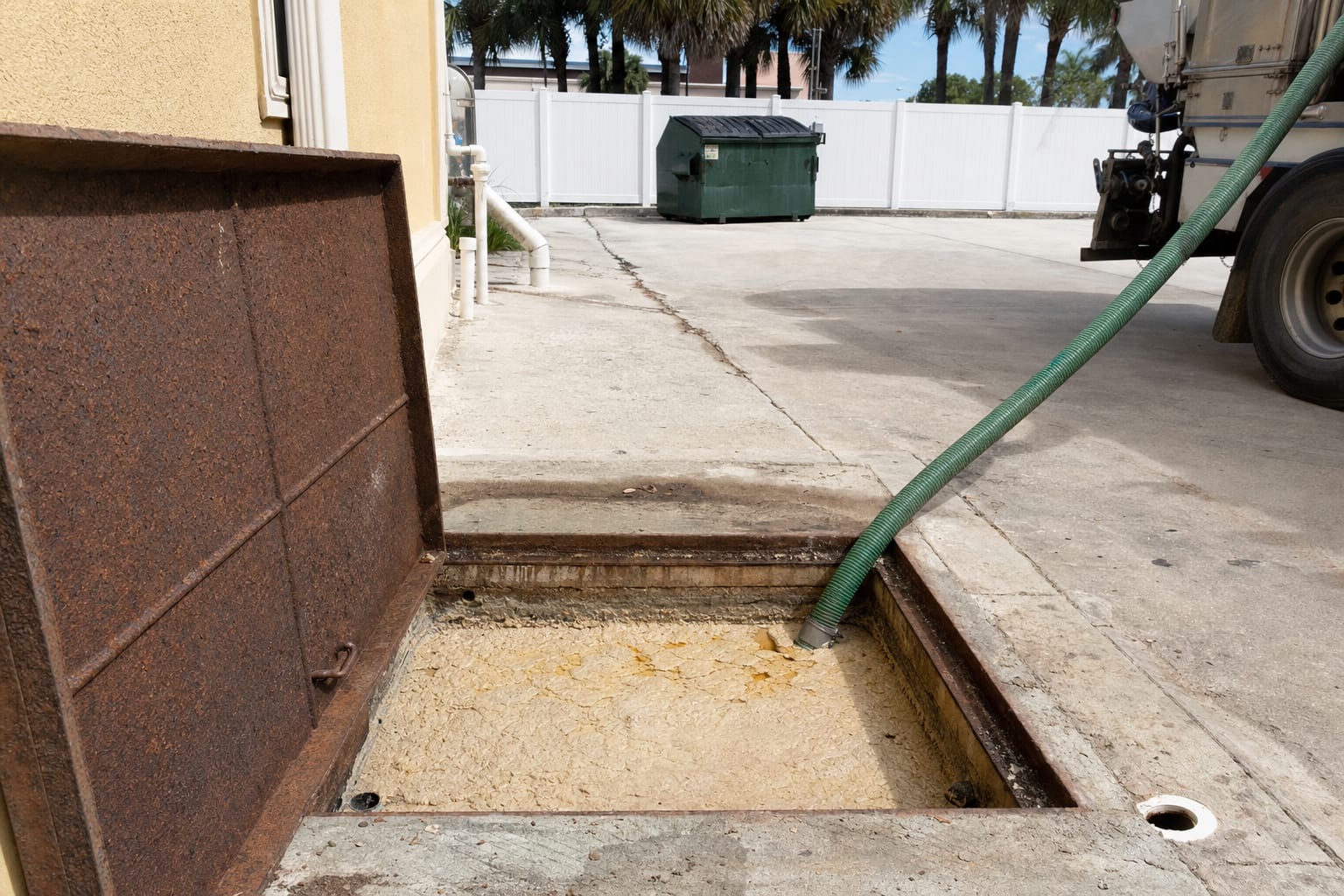
Lancaster County on-lot service routing

Septic Pumping Lancaster PA

Routine pump-outs, township reporting, inspections, alarms, and repair triage begin with one fact: which municipality governs the property.

Mon–Sat, 7:00 AM – 7:00 PM · Urgent calls accepted at any hour

  • 7 Verified township programs Cycles and forms were checked against current municipal sources.
  • 3 yr Common local cycle An adopted township ordinance controls where it applies.
  • $250–$500 Routine planning band Confirm tank, access, disposal, paperwork, and urgency in writing.
  • 1 SEO Local permit path The parcel municipality identifies its Sewage Enforcement Officer.
Start with the parcel, not the postal name

A Lancaster address can describe two very different wastewater systems

Lancaster city is substantially sewered, while the county around it includes borough sewer customers, township on-lot homes, farm lanes, sand mounds, pressure-dosed systems, and older gravity fields. The mailing address cannot distinguish them. A useful service call starts with the parcel municipality, utility status, last pumping record, and what the system is doing today.

If a utility bill includes wastewater service, a slow-drain problem may belong with a plumber or sewer authority. If the property uses an on-lot system, the tank stores solids and sends clarified effluent toward treatment soil. Pumping protects that soil by removing scum and sludge before they reach the outlet. The visit should use the main access, account for each included compartment, and leave a record that fits the municipality's program.

Lancaster Septic Pumping is a marketing and call-routing service, not the government and not a claim that one crew performs every listed scope. Requests are matched with independent providers. Before authorizing work, confirm the provider's Pennsylvania residential septage hauler registration when pumping or transporting is involved, any separate township pumper eligibility, the written scope, and the price.
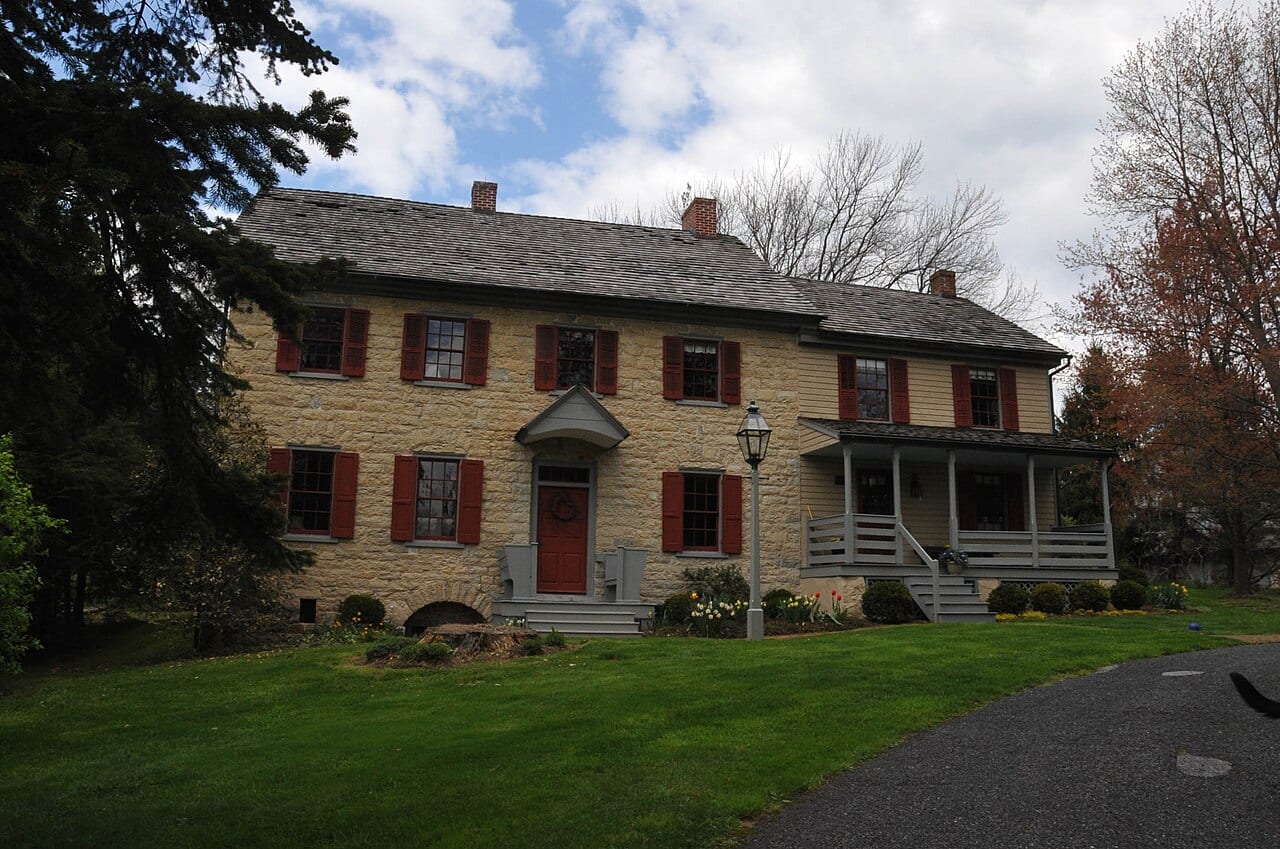
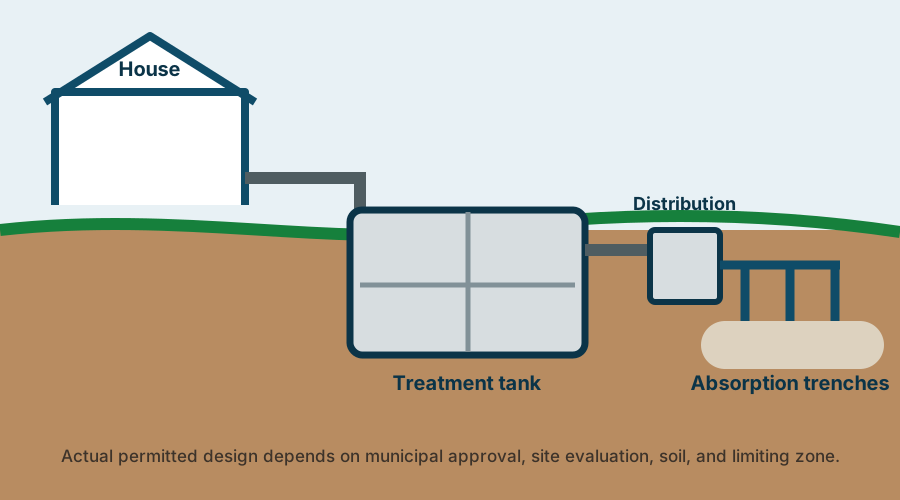
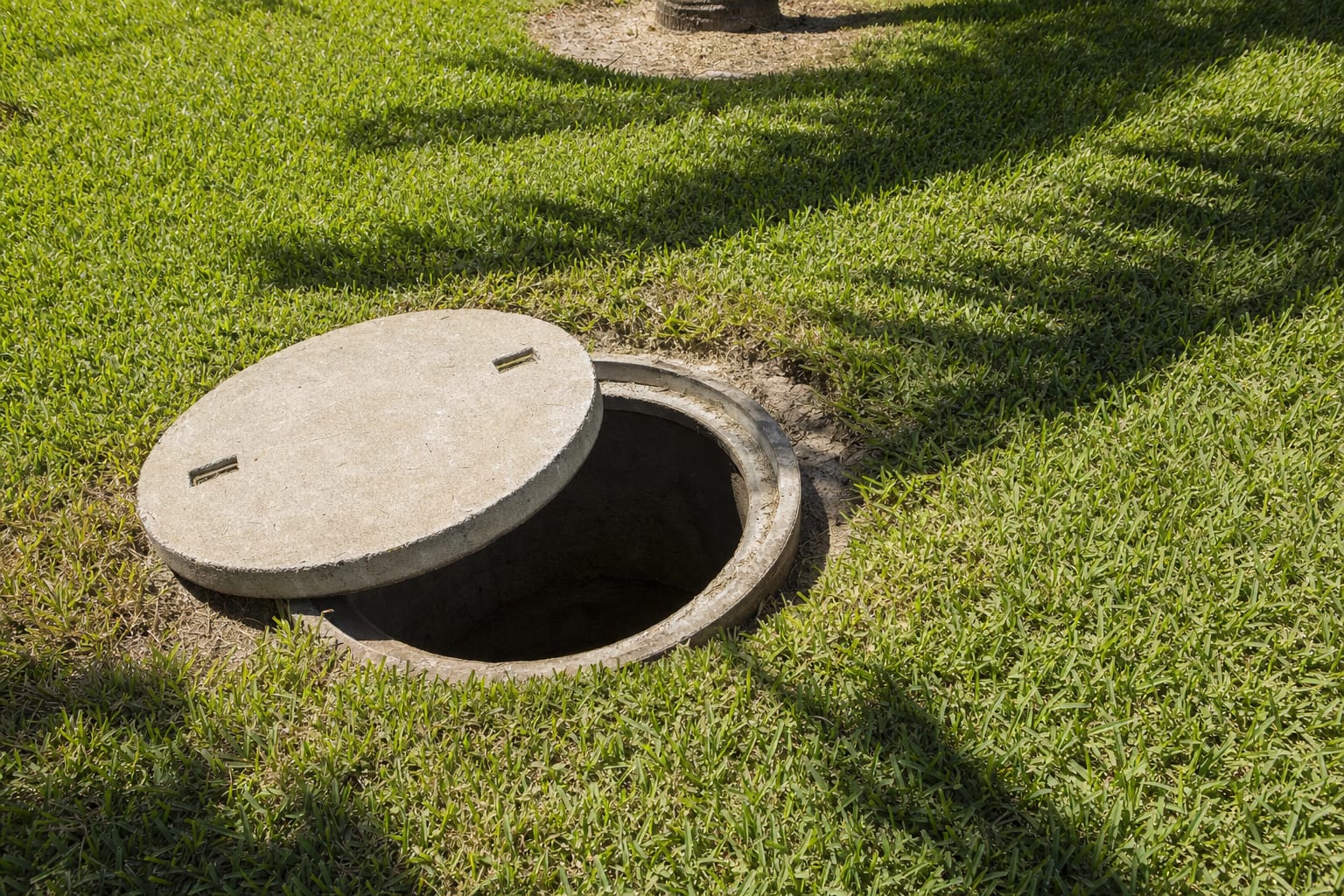
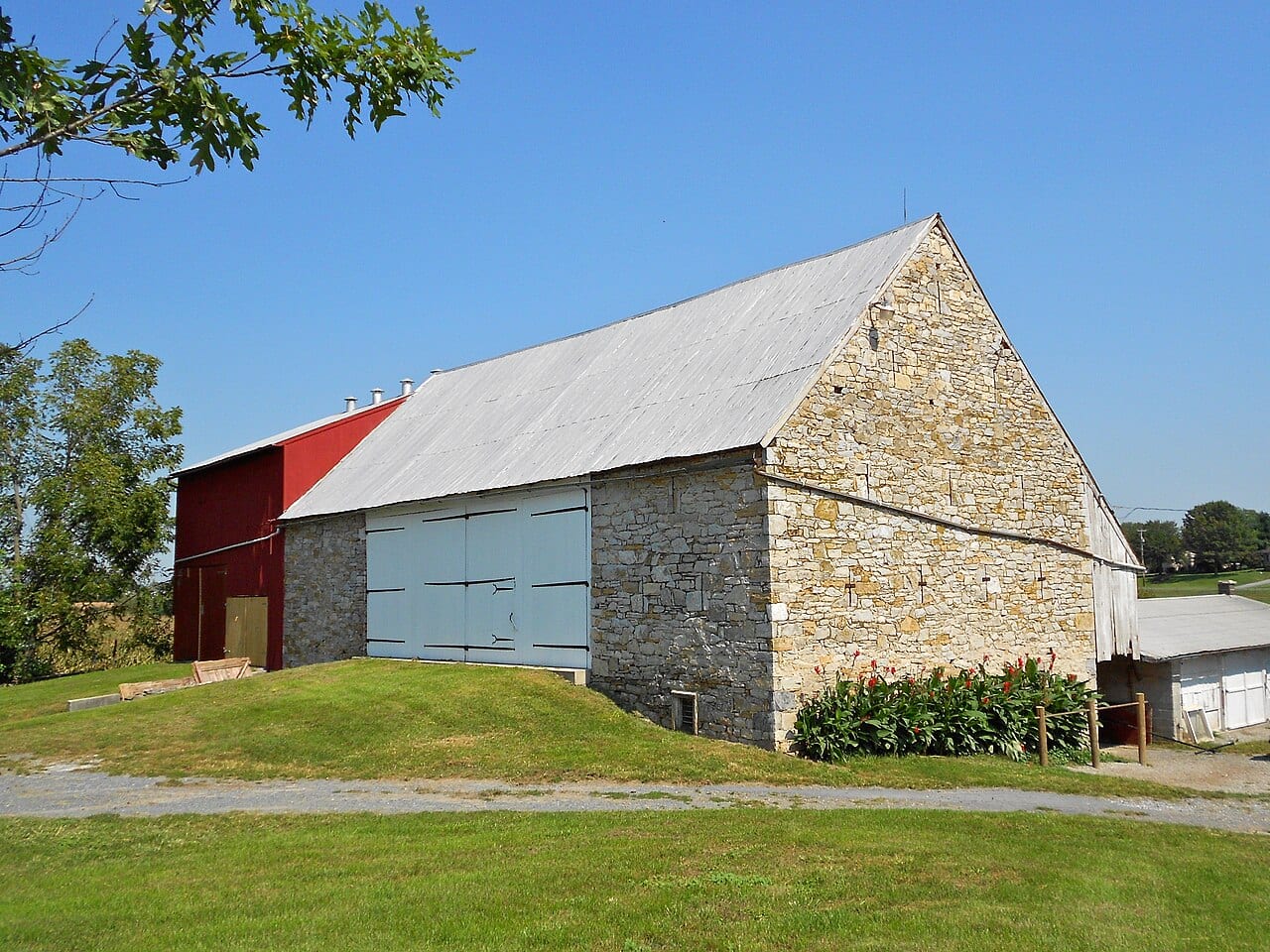
Lancaster County Pennsylvania home and lawn where an on-lot system may be located
Public sewer and private on-lot systems can share the same postal community. Municipal records settle the question.
Verified local programs

Lancaster County pumping rules are municipal

Several townships publish three-year requirements, but their forms, fees, filing deadlines, and extension language differ. The table is a planning aid sourced on July 15, 2026; the current township record controls for a particular parcel.

MunicipalityPublished cycleRecord stepContact
Warwick TownshipAt least once in every 3 calendar yearsThe township assigns on-lot properties to program sections; retain the hauler record.SEO Charity Hain · 717-898-3402
West Lampeter TownshipVisual inspection and pumping every 3 yearsSubmit the completed report and $30 township fee within 15 days of service.SEO Mark Deimler · 717-786-0355
Pequea TownshipInspection and pumping at least every 3 yearsAn authorized agent prepares the municipal report; an extension needs approval.Township · 717-464-2322
Salisbury TownshipPump and report at least once every 3 yearsThe township says owners should not expect a reminder before the record becomes overdue.SEO office · 610-286-1622 ext. 114
Strasburg TownshipPumping every 3 years for on-lot systemsA household with no more than two permanent occupants may apply for a 5-year extension.Township office · see current municipal record
Drumore TownshipRegistered pumper inspection and pumping every 3 yearsThe property owner submits the completed report within 30 days.Township 717-548-2660 · SEO 717-786-0355
Martic TownshipMandatory pumping; confirm the current interval with the townshipUse the current Martic septic reporting form rather than a generic receipt.SEO 717-205-2228 · Township 717-284-2167

West Lampeter's program, for example, says the completed report and $30 fee are due within 15 days. Drumore places its report on the owner and publishes a 30-day filing window. Salisbury warns that owners should not expect reminders. Strasburg describes a possible five-year extension for a qualifying household with no more than two permanent occupants. Those differences are why a generic receipt and a remembered three-year date are not enough.

Providence Township reports that a majority of its sewage systems are private on-lot, but a current universal fixed pumping cycle was not verified from its published material. We therefore omit one. Martic publishes a mandatory program and current reporting form; its precise interval should be confirmed with the SEO rather than copied from a neighboring ordinance.

Compare township requirements

Service paths

Match the request to the system, evidence, and decision

Routine pumping, an active backup, a real-estate inspection, a broken baffle, and a wet absorption area should not be sold as interchangeable jobs. Each page below states what the scope can answer, what it cannot, and when the municipal SEO enters the process.

Drainfield Repair

Separate a tank problem from failed soil absorption before excavating.

Tank Cleaning

Manhole access, complete solids removal, and a clear service record.

Home-Sale Inspection

PSMA scope, municipal records, and contract deadlines without a fake state mandate.

Tank Repair

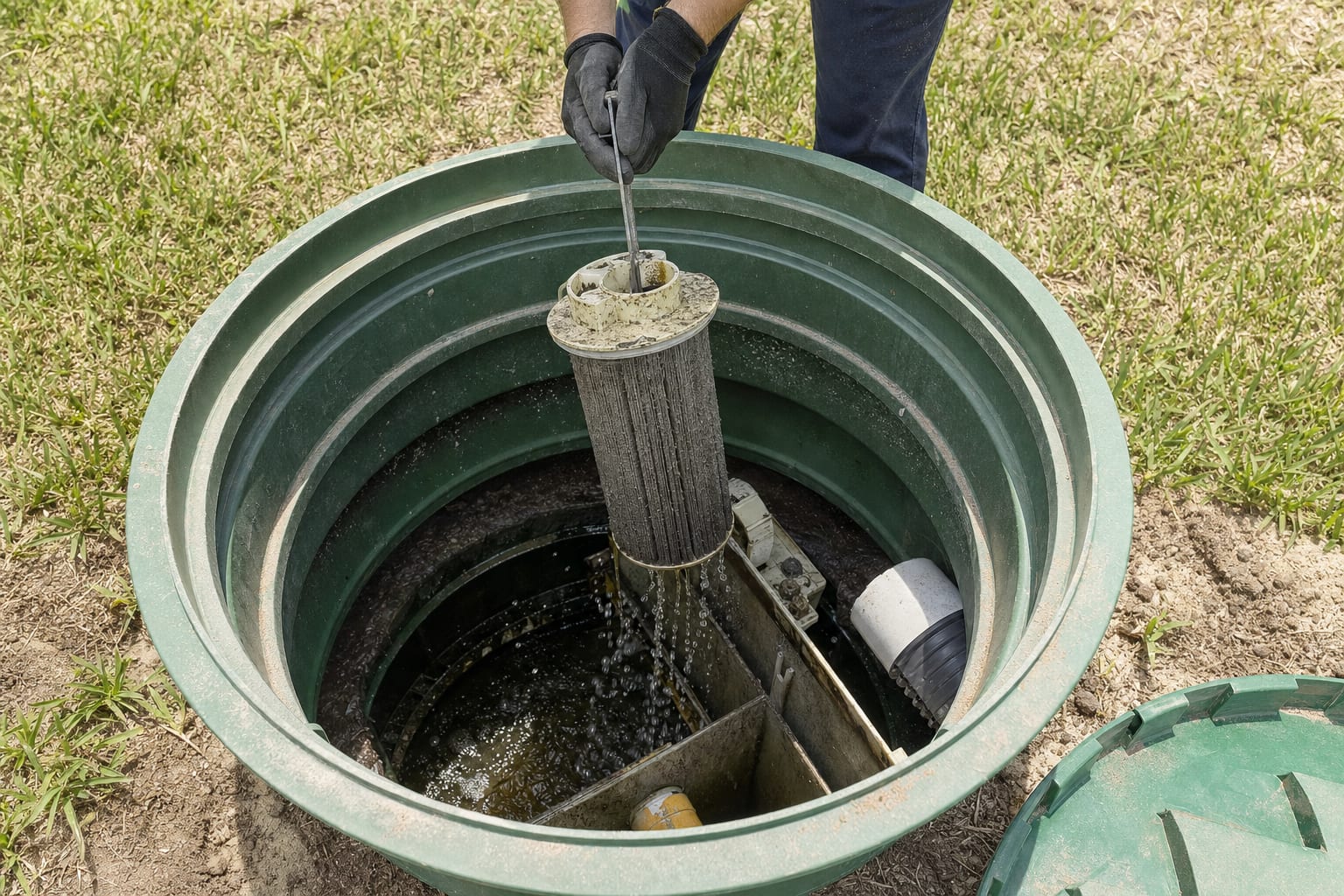
Lids, risers, baffles, filters, and tank defects evaluated in context.

Grease Traps

Measured removal, accessible lids, and records for commercial kitchens.

Pumping Cost

A sourced planning band plus the job details that move the total.

How a Lancaster pump-out is prepared

  1. Identify the municipality

    The township, sewer status, due notice, tank size, last pump date, lid location, access, and symptoms establish the request.

  2. Confirm access and paperwork

    The provider reviews manhole access, truck position, compartments, township form, and any separate municipal pumper eligibility.

  3. Remove stored material

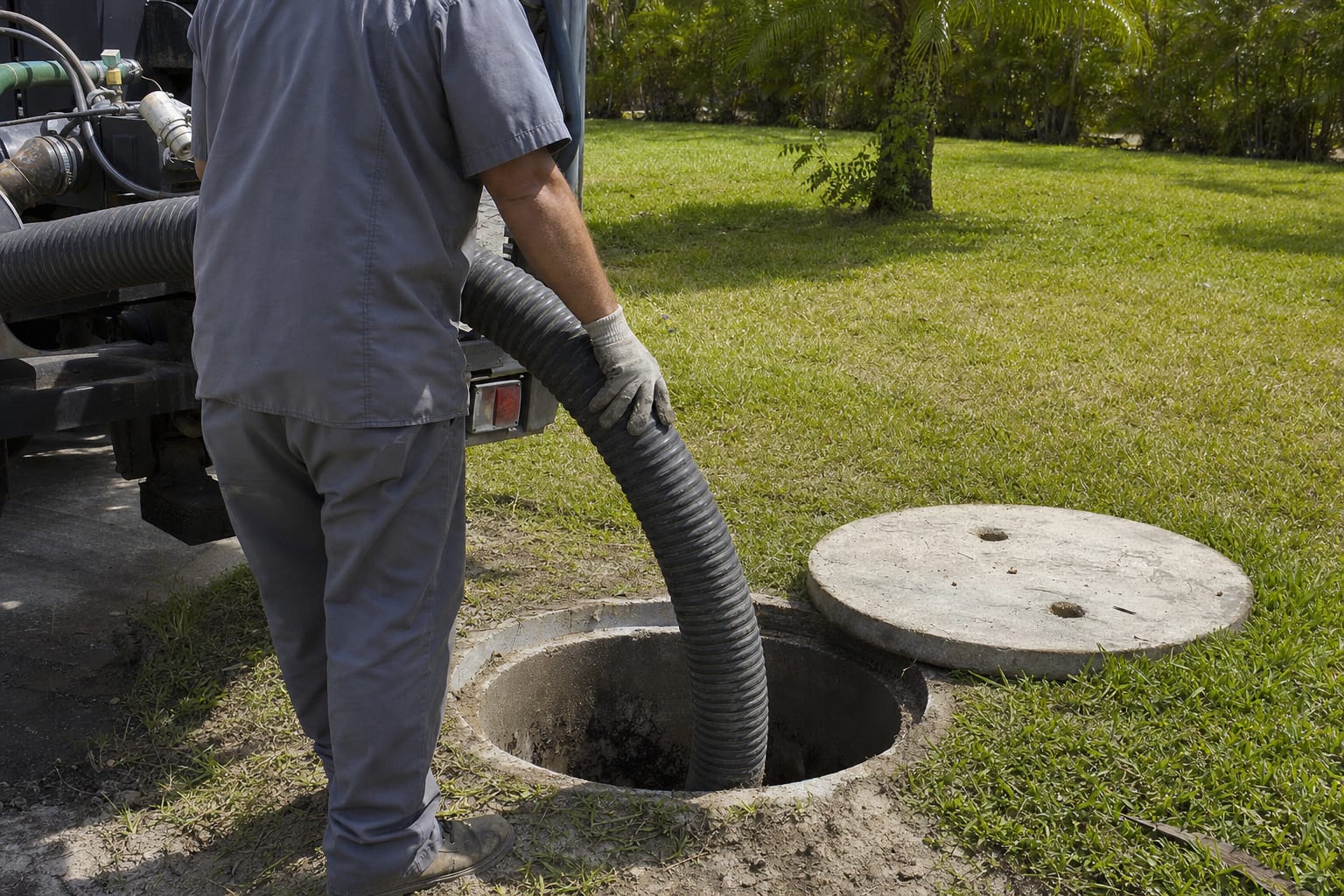
    Scum and sludge are mixed and removed through the main access, with reachable components observed and material taken to a lawful destination.

  4. Keep the service record

    The receipt and required report document the visit. The owner confirms municipal filing and addresses any defect through the local SEO.

Price without a false promise

Use $250–$500 to plan, then quote the actual Lancaster job

A Lancaster County provider publishes a routine starting price of $210 plus disposal, while the Center for Rural Pennsylvania's 2026 wastewater survey found that most reported septic pumping or inspection charges were below $500. Together they support a cautious $250–$500 planning band for a straightforward local pump-out. They do not establish a county tariff or guarantee.

Ask the quote to state tank capacity, number of tanks and compartments, included gallons, disposal, filter cleaning, ordinary hose allowance, locating, digging, township report, municipal fee, and after-hours charge. A hidden lid, long lane, soft shoulder, extra dosing tank, heavy solids, or emergency route can change the total. Repair and installation prices remain quote-only because no reliable local primary-source band survived research.

See the complete pumping cost breakdown

Active backup

Stop adding water before the truck is dispatched

Pause laundry, dishwashing, baths, and long showers. Keep children and pets away from sewage or wet ground. Do not enter a tank or lean over an unsecured opening; septic gases and collapse hazards can kill. Report whether multiple fixtures are affected, whether an alarm is sounding, where liquid is surfacing, recent rainfall, and whether the building is actually on public sewer.

Pumping can create temporary storage and expose components. It does not lower groundwater or repair failed treatment soil. If liquid returns from the field, or the yard stays wet after reasonable weather recovery, the repair path belongs with diagnosis and the municipality.

Lancaster site conditions

Karst, limiting zones, and runoff make parcel evidence matter

Parts of Lancaster County lie on carbonate bedrock where limestone and dolostone can dissolve into fractures, cavities, and sinkholes. Other parcels have shallow limiting zones or soils that accept effluent slowly. That variation explains why nearby properties may have very different approved designs. A conventional trench, elevated sand mound, pressure bed, and pump tank cannot share one maintenance script.

Keep roof leaders, sump discharge, vehicles, livestock, and construction stockpiles away from the absorption area and reserved replacement ground. Following flooding, DEP advises reducing use until surrounding water falls. A new depression should be isolated from people and equipment and evaluated; it should not automatically be labeled a septic-tank collapse or a karst opening from a photograph.

What not to hire

Red flags before a lid is opened

  • A claim that Pennsylvania forces every septic owner onto one statewide three-year schedule.
  • A promised PSMA/NOF report without current inspector certification and the current full standard.
  • A major drainfield replacement proposed before permit records, site evidence, and SEO requirements are reviewed.
  • A pump-out performed only through a small baffle port rather than the main manhole access.
  • An unitemized price that leaves disposal, digging, township paperwork, and additional tanks undefined.
  • A claim that any farm field may receive raw residential septage without DEP authorization and controls.

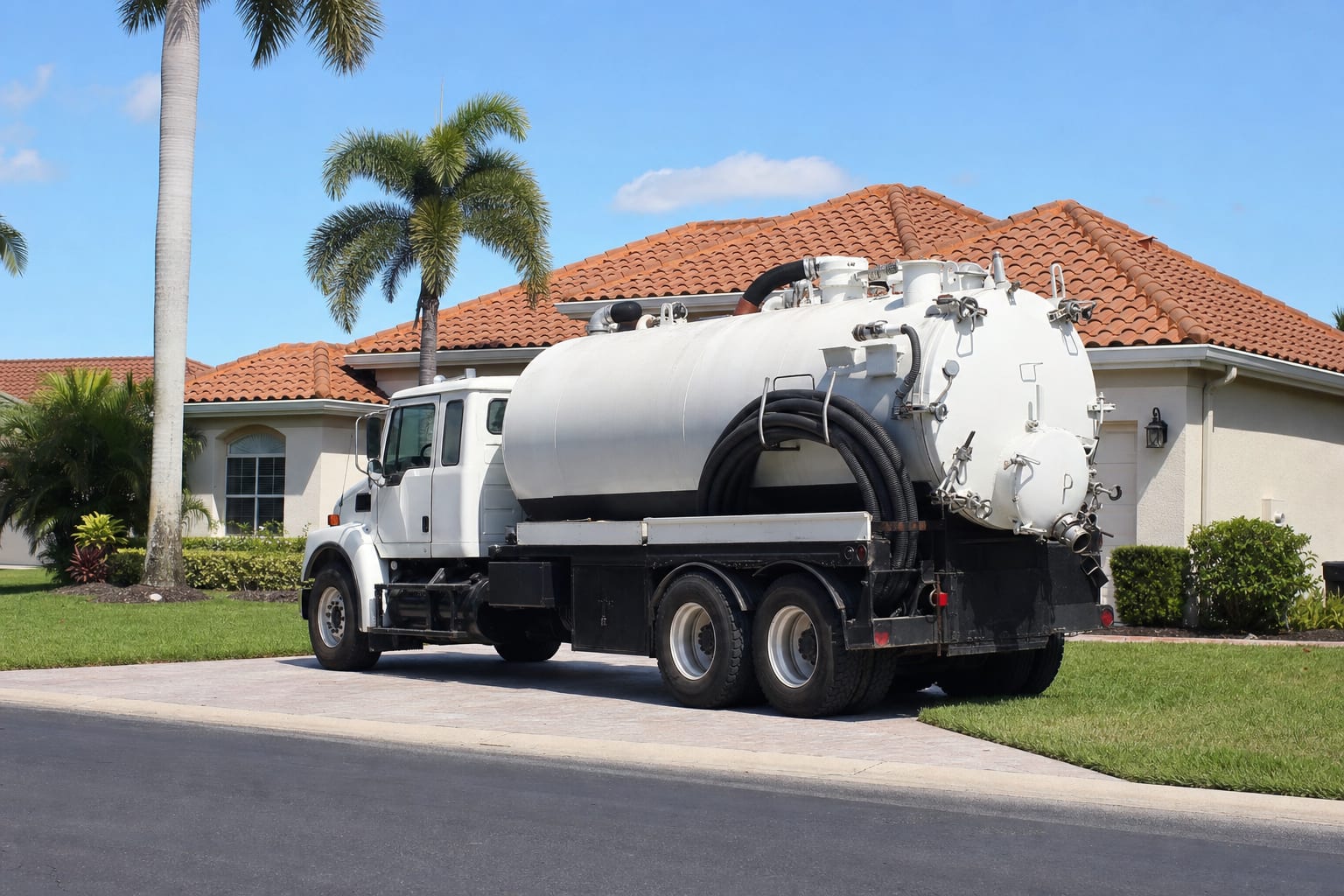
Pennsylvania requires a registered residential septage transporter to display its assigned five-digit number on both sides and the rear of each hauling vehicle. This site does not publish or invent that number. Ask the arriving provider to identify the business and verify the credential for the truck.

Septic pumping questions from Lancaster County property owners

How often should a septic tank be pumped in Lancaster County?

The municipal rule controls. Warwick, West Lampeter, Pequea, Salisbury, Strasburg, and Drumore publish three-year programs for covered systems. Martic publishes mandatory pumping but its current interval should be confirmed. Outside a fixed program, DEP gives three to five years as general guidance and actual solids may justify earlier service.

Does the City of Lancaster have many septic tanks?

The city is substantially served by public wastewater. Most on-lot demand occurs in surrounding townships and rural parcels. A Lancaster mailing address does not prove the property uses septic, so check the utility account and municipal record first.

What does septic pumping cost near Lancaster?

A useful routine planning band is $250–$500, based on a local starting figure and a statewide rural survey. It is not a promised price. Tank volume, buried lids, hose distance, disposal, municipal paperwork, urgency, and extra chambers change the written quote.

Who issues septic permits in Lancaster County?

Pennsylvania DEP administers Act 537 and statewide standards. The local agency, normally the property township, uses a Sewage Enforcement Officer for residential on-lot permits, repairs, and malfunction enforcement. There is no single county health department issuing every household permit.

Does Pennsylvania require a septic inspection whenever a home is sold?

No statewide point-of-sale septic mandate was verified. A purchase contract, lender, buyer, or municipality may still require evidence. PSMA/NOF is an industry inspection standard, and only a currently certified inspector may represent work as that inspection.

Can a pump-out repair a failed drainfield?

Pumping removes stored tank material and creates temporary capacity, but it cannot restore saturated or exhausted soil. Continued return flow, surfacing sewage, or wetness needs diagnosis and may require the municipal SEO before repair or replacement.

Where may a hauler take residential septage?

Material may go to a lawful receiving facility. Pennsylvania also permits controlled beneficial use only under applicable DEP authorization, treatment, site restrictions, records, and training. An ordinary farm field is not an unrestricted disposal location.

Request service

All fields are required.

For anything urgent, call (717) 423-8257 instead.

Service area

Where we work

Lancaster is the routing center; township and sewer status determine whether an on-lot service applies.

Every area we serve

Lancaster routing area

The city is substantially sewered. On-lot demand is concentrated in township and rural properties around the county, so every call starts with the parcel municipality.

Cabbage Hill · Chestnut Hill · College Park · East Side · Musser Park · West End · Conestoga Heights

ZIPs 17601 · 17602 · 17603

Featured Lancaster County communities

Mailing names cross municipal lines. We confirm the township, system type, and route availability before a service window is promised.

Plan the pump-out around the property record

Call with the address, municipality, last service date, township notice, tank access, and current symptoms.

Call (717) 423-8257 Septic pumping · Lancaster County, PA